She Inherited Her Grandmother’s Old House—Then Found a Locked Door Behind the Basement Wall
The Masterpiece
Oak Haven Road – Three Weeks Later
The immediate aftermath was a chaotic, exhausting blur of flashing lights, yellow crime scene tape, endless federal debriefings, and mountains of legal paperwork.
Special Agent Davis was ecstatic to recover the lost Belmont Degas—a legendary, career-making bust that also successfully provided the missing forensic links to tie Donovan Brooks to a massive string of cold-case extortion rackets spanning twenty years.
Because Clara had voluntarily surrendered the priceless painting, handed over the Walther, and cooperated fully and transparently with the federal investigation, she was officially granted blanket immunity from any potential charges related to her grandmother’s possession of stolen property across state lines.
Three weeks later, the crisp, biting November air had settled firmly over Oak Haven Road.
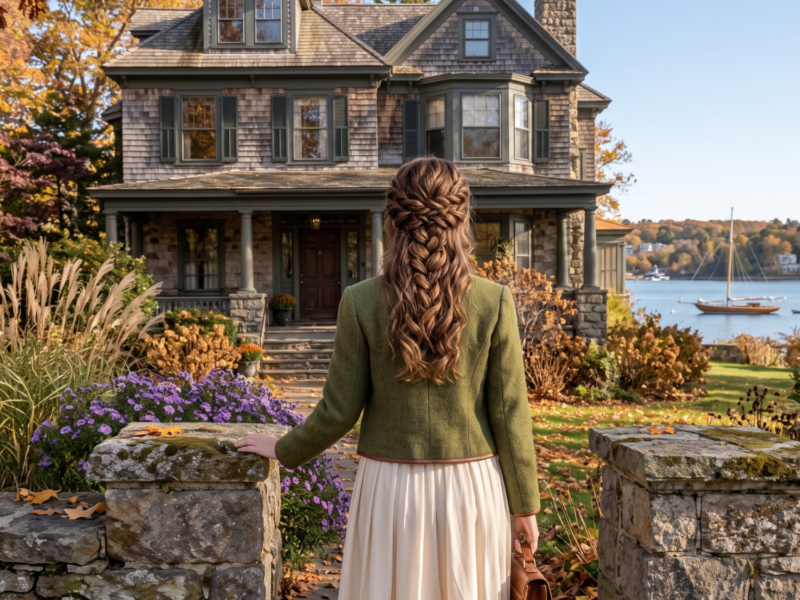
Clara had finally sold the massive Craftsman house for over asking price. The closing papers were signed, the money was in escrow, and a large moving truck was idling loudly in the driveway, loading the last of her approved possessions.
The basement wall had been permanently, professionally repaired by Mike Donnelly, sealing the empty Diebold vault forever behind fresh drywall and paint. The FBI had taken the painting, the ledger, and the gun, but Clara had made sure they never knew about the hidden vault itself, or the false passports.
Most importantly, Clara had quietly, methodically kept the hundreds of thousands of dollars in old, untraceable cash. She had used it to completely pay off all her crushing debts, and secured her financial future in a safe deposit box downtown.
As she carried the final, heavy cardboard box of her grandmother’s remaining books to the trunk of her car, the bottom flap of the weakened box gave way.
A few old, heavy hardcover books tumbled out, hitting the asphalt driveway.
Clara sighed, kneeling on the cold ground to pick them up. As she grabbed a thick, heavy encyclopedia on Italian Renaissance art, a loose, folded piece of thick stationery paper slipped from between the glossy pages and fluttered to the ground.
It was a handwritten letter, penned in Beatrice’s elegant, unmistakable cursive. It was dated exactly a week before she passed away in her sleep.
Clara unfolded it, the cold autumn wind whipping her hair across her face, and began to read.
My dearest Clara,
If you are reading this letter, you finally defied my rules and found the vault. You likely found the men who were looking for me, too. I raised you to be smart, and I hope you gave those animals exactly what they deserved.
But my sweet, brilliant girl, I need you to know one final, absolute truth before I leave this world. I was many, many terrible things in my long life, but above all, I was an artist.
The Degas painting you found in the Providence storage unit is a flawless, magnificent forgery. I painted it myself in the winter of 1983. It is perfect down to the microscopic chemical composition of the pigments and the aging of the canvas.
Let the FBI have it. Let them hang my work in a museum where it belongs. They will never know the difference.
The real Edgar Degas is resting safely in a numbered, climate-controlled vault at UBS in Zurich, Switzerland. The account routing number is written in invisible UV ink on the back of the Polaroid photograph of Mercer. The physical vault key is taped securely beneath the bottom drawer of my old Singer sewing machine.
Do with it what you will, Clara. The world is yours now. Don’t let them tell you who to be.
Love always, Nana.
Clara stood absolutely frozen in the driveway, the letter trembling violently in her hand.
She looked back at the sprawling, innocent-looking Craftsman house. A slow, disbelieving, brilliant smile spread across her face. She folded the letter perfectly, slipped it into the inner pocket of her coat, and walked toward the moving truck, ready to finally claim her true inheritance.









