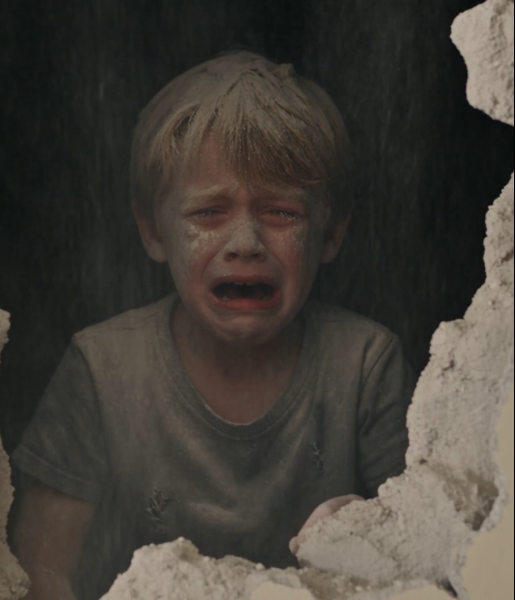
The Wall
In the end the house was only a house
In the end the house was only a house. The marble corridor was refinished. The double doors still opened onto white columns and green lawn. The chandeliers still threw soft light across polished floors. But the silence that had once lived there had been broken, and silence, once broken, does not return in the same form.
Somewhere in a different city, a woman who had once carried a sledgehammer through an expensive hallway kept a single photograph on a shelf: a boy standing in sunlight, eyes open, no dust on his face. Beside it she kept the crowbar, cleaned and wrapped in cloth, not as a weapon but as a reminder that some openings are worth the cost of making them.
The rest was ordinary life—imperfect, unsealed, and finally free of the kind of quiet that demands to be kept.









